





Construction Workers Compensation Scheme
The Construction Workers Compensation Scheme (TCWCS) was launched on 4 July 2014 to compensate construction workers that had been ‘blacklisted’ by contractors. It was open to applicants until 30 June 2016.
The scheme was funded by eight main contractors that used the services of The Consulting Association (TCA), which held records of more than 3,000 people (including records transferred from The Economic League). The records were intended to protect the industry from the labour issues that blighted the industry in the 1970's and 80's, but they actually resulted in workers being blacklisted without their knowledge, for unknown reasons, and with no system for review, appeal, correction or redress. This left some workers unable to find work for many years.
The records were seized by the Information Commissioner’s Office (ICO) in 2009 and TCA was closed down.
The compensation scheme was established by; Balfour Beatty, Carillion, Costain, Kier, Laing O’Rourke, Sir Robert McAlpine, Skanska UK and VINCI PLC to provide an alternative to High Court action for affected workers. It applied to workers involved in the UK construction industry between 1993 and 2009 who were refused work on UK construction sites in those years.
There was a fast-track process and a full-review process depending on the level of investigation necessary for individual cases. Compensation under the fast-track process ranged from £4,000 to £20,000, while under the full-review process, compensation of up to £100,000 could be awarded. The full-review process was independently adjudicated by retired High Court judge Sir Colin MacKay. Applicants were entitled to have legal advice paid for by the scheme. This might help them decide which process is the most appropriate for their case.
The contractors that have set up the scheme apologised for their involvement with TCA. However, union leaders did not agreed to the scheme, claiming it was a cynical PR stunt intended to derail High Court proceedings and that the proposed compensation was inadequate.
In October 2015, the 8 contractors involved in this case made a statement accepting responsibility for defamation. See Blacklisting case statement for more information.
In January 2016, as the date for the High Court case approached it was revealed that offers of compensation had increased significantly, with some workers being offered as much as £160,000. Ref Construction Enquirer 18 January 2016.
At a hearing in January 2016, it was ruled that 30 contractors must disclose emails and correspondence linked to the case and pay costs for the hearing. Howard Beckett, director of legal services at Unite, said: “Despite admitting their guilt, it is shameful the lengths that some of the construction firms involved in blacklisting have gone to cover up their involvement. It is only now after sustained legal action with the support of Unite that the lid is being lifted on a scandal which has ruined countless lives and led to hardship for many more.”
At the beginning of May 2016, the contractors reached an out of court settlement with three of the four organisations representing claimants. Claimants represented by the Unite union were not part of the settlement.
On 9 May 2016, it was announced that a final settlement of £4 million had been agreed with Unite. It is thought that this means total payments in excess of £10 million will be made to 256 workers. This is in addition to undisclosed sums paid out through the compensation scheme.
This brings to a close the 5 year case.
[edit] Related articles on Designing Buildings
Featured articles
Check out some of the best features and news from Designing Buildings as well as key stories from around the web.

The real barrier to getting more value from digital technology.

Your guide to The Construction Reset at UKCW Birmingham.

Accommodating the Victorian and Edwardian working woman. Book review.
Rethinking passive fire protection in design

PFP demands the same level of design rigour as structure or services.

38% of Gen Zs feel safe when a fire door is wedged open.
Stunning images from around the world
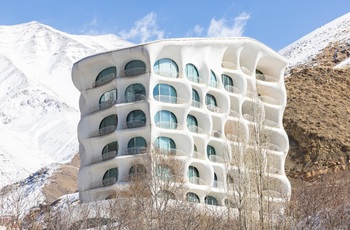
Shortlist for CIOB’s Art of Building photography competition.

Guidance for conversion of traditional pre-1919 stone buildings.
Industrial heritage in the Ruhr
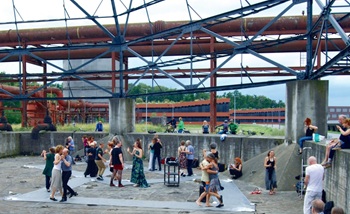
A marked difference to the fate of industrial landscapes in the UK.

Communities will be able to build their own clean energy.
Why diversity and inclusion matters for SMEs

CIOB’s D&I Charter shows how practical changes can support long-term growth.
Cut electricity bills to power growth

Coalition sends joint letter to the Chancellor.

Gasholders: a history in pictures. Book review.